


From Electrical to Automation Engineer
From Electrical Engineer to Automation Engineer: Your Roadmap to Industry 4.0
Why Electrical Engineers Make the Best Automation Engineers
To the students worried they might be “falling behind” computer science grads: you actually have the advantage.
Automation is not just software; it is hardware. A programmer might struggle to understand why a signal is flickering due to electrical noise or why a relay is chattering due to voltage drop. You won’t. Because you understand Ohm’s Law, electromagnetic interference, and power distribution, you can troubleshoot systems at a hardware level that pure software engineers cannot.
Your degree gave you the “Why.” Automation training gives you the “How.”
The Critical Missing Piece: Hands-On Hardware
The biggest hurdle for fresh graduates seeking automation roles is the lack of practical experience. Employers are not looking for someone who has only simulated a PLC program on a laptop. They want someone who has:
- Wired a sensor to a digital input card.
- Fought with a communication error between a VFD and a PLC.
- Configured an HMI to talk to a controller in real-time.
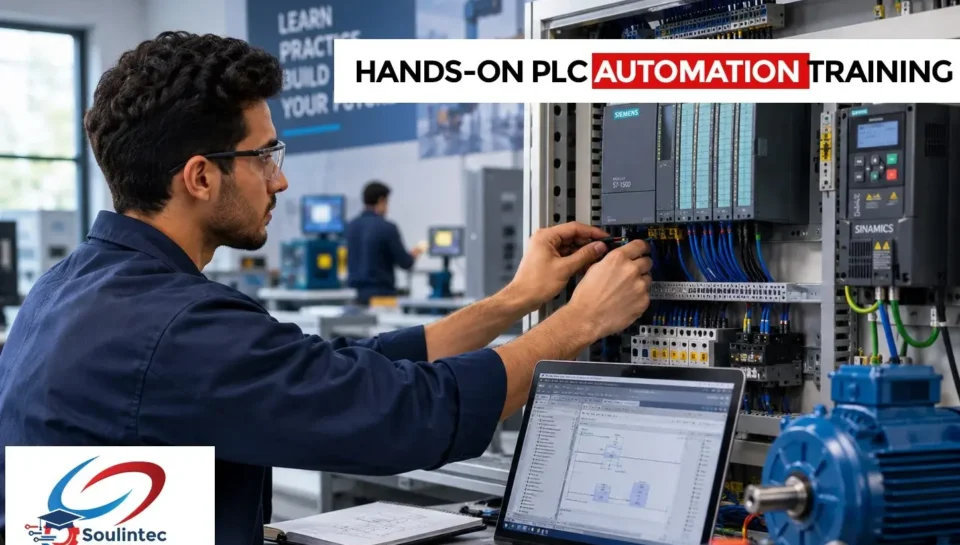
Reading about “Ladder Logic” in a PDF is vastly different from watching a physical motor start when you force an output bit on a live PLC.
How Soulintec Learning Hub Bridges the Gap
At Soulintec Learning Hub, we understand that becoming an Automation Engineer is a hands-on journey. Our training philosophy is built around the concept of “Learn, Wire, Program, Run.”
We do not just teach theory. We put you in front of real industrial components:
- Real PLCs: You will download code, force I/O, and debug faults—not just watch a simulation.
- Real VFDs: You will wire a drive to a motor and program the acceleration and deceleration ramps.
- Real Sensors and Actuators: You will learn how to wire inductive, capacitive, and photoelectric sensors correctly.

Our courses simulate the industrial environment. You will face the common headaches—like wiring a fail-safe circuit or troubleshooting a communication dropout—in a safe learning environment, guided by industry professionals.
Your Next Move
To the final-year students: do not wait until graduation to realize the industry has moved on from your curriculum. Supplement your degree now.
To the fresh graduates: if you are struggling to land your first job in controls or automation, it is time to upskill. Do not just apply for jobs; build the skills that jobs require.
Your journey from Electrical Engineer to Automation Engineer starts with a single step: getting your hands on the hardware.
Learn. Practice. Build. Troubleshoot.
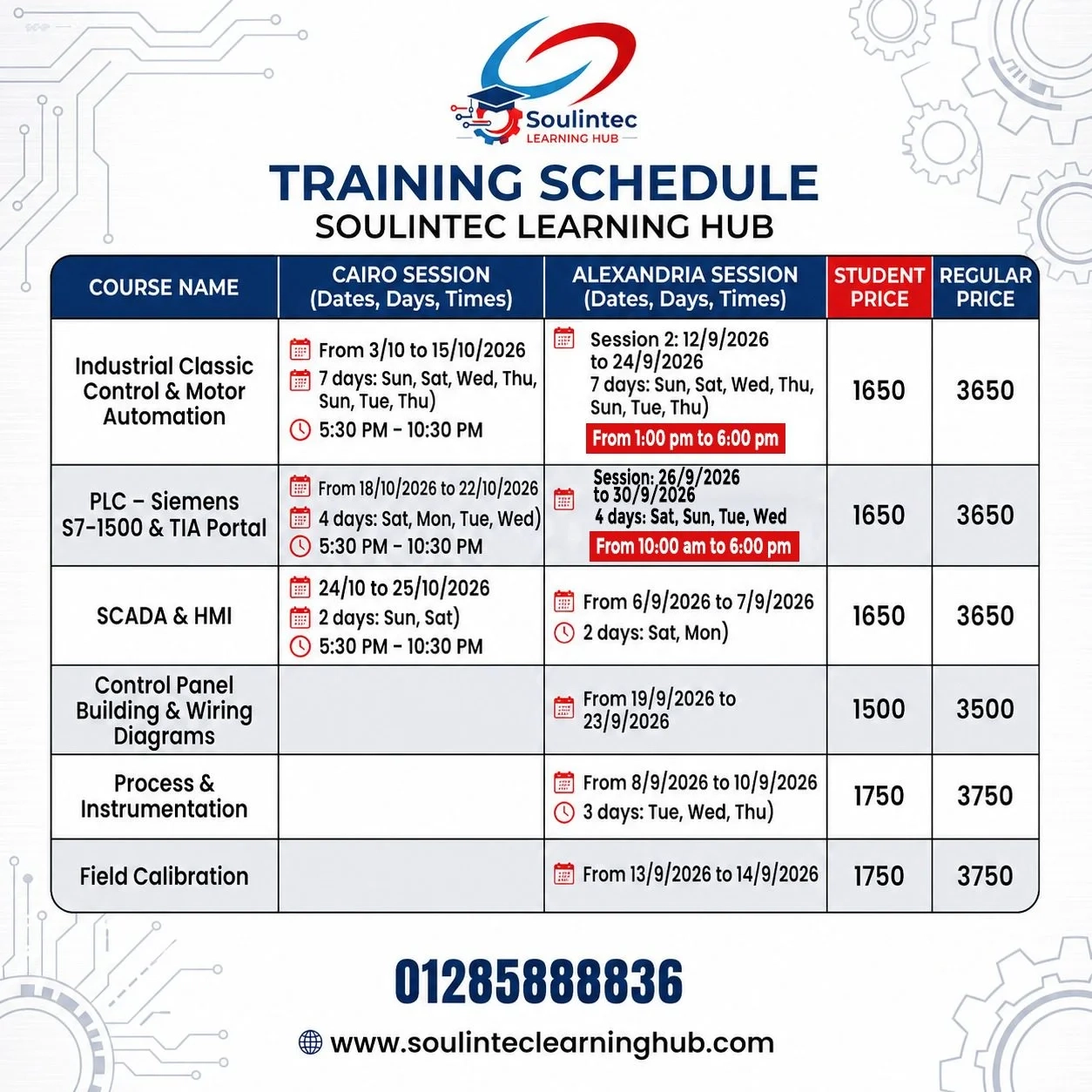
Explore the available courses and training programs at:
Don’t wait until your first job to start learning how industrial automation works.
Start building the practical skills now, so when the opportunity comes, you are ready for it.